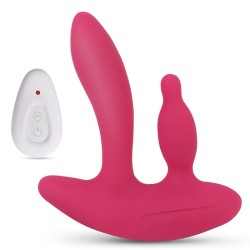
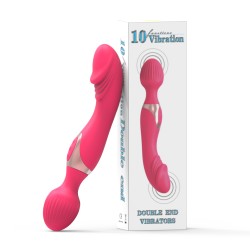
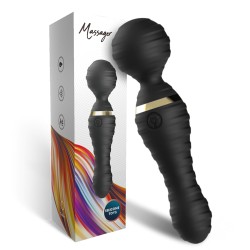
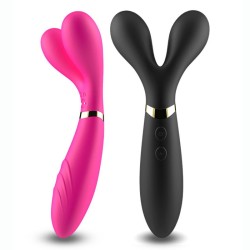
Hey there! Let’s have a real, "no-blushing-allowed" conversation today. If you’ve ever browsed an online adult...


Can Cheap Sex Toys Cause Infections? The Truth About Materials, Safety, and Your Health
When I first started exploring the world of sexual wellness, I’ll admit I was overwhelmed by the price tags. You hop onto a random online marketplace, search for a toy, and Elliptical DOT Clitoral Vibrator suddenly you’re presented with two options: a $100 high-end silicone vibrator or a $12 mystery item that looks pretty similar in photos. It’s tempting to grab the bargain, right? We’ve all been there—thinking, "It’s just plastic, how different can it be?"

However, as I’ve learned more about body safety and reproductive health, I’ve realized that when it comes to intimacy, "bargain-hunting" can sometimes come with a hidden cost. Today, I want to dive deep into the question that rarely gets asked in polite company: Can cheap sex toys cause infections?
The "Porous" Problem: Why Material Matters
The main reason medical professionals and sex educators advise against ultra-cheap toys comes down to one word: porosity.
High-quality toys are usually made of 100% medical-grade silicone, which is non-porous. Think of it like a glass bowl; you can wash it, and nothing gets inside, and nothing stays on the surface. Cheap, mass-produced toys are often made from materials like "jelly" rubber, PVC, or TPE (Thermoplastic Elastomer) that hasn't been properly cured.
These materials are often porous, meaning they contain microscopic pits, crevices, and air bubbles. Even if you wash them with soap and water, bacteria, fungi, and viruses can bury themselves deep inside those pores, where they thrive and multiply.
As Dr. Emily Morse, a renowned expert in sexual health, often notes:
"Body-safe materials are non-porous, meaning they don't have holes where bacteria can grow. When you use a porous toy, you are essentially creating a breeding ground for infections every time you use it."
The Chemical Cocktail: Phthalates and Beyond
It isn't just about bacteria. Many cheap toys are manufactured with industrial-grade chemicals, including phthalates. These are plasticizers used to make hard plastic soft and flexible. Phthalates are known endocrine disruptors and can cause irritation or allergic reactions in sensitive genital tissue.
When you introduce an unverified, chemical-heavy material into your most sensitive areas, you aren't just risking an infection; you’re risking dermatitis, chronic irritation, and disrupting your body’s delicate pH balance.
Comparison of Toy Materials
To make it easier to understand, Dual Thrusting Rabbit Vibrator I’ve put together this quick guide to help you distinguish between safe and Steampunk Wing Halloween Mask potentially risky materials.
Material Porosity Level Safe for Internal Use? Notes Medical-Grade Silicone Non-Porous Yes The gold standard. Easy to clean and hypoallergenic. Borosilicate Glass Non-Porous Yes Body-safe, Fantasy Halter Ruffled Hem Ladylike Baby doll Lingerie + Thong heat-resistant, Faux Leather Latex Masturbation Black Warrior Vibration Crystal Sleeve Penis Panties and very hygienic. Stainless Steel Non-Porous Yes Extremely durable and easy to sterilize. Jelly/Rubber Highly Porous No Often contains phthalates; prone to harboring bacteria. TPE/TPR Moderately Porous Sometimes Can hold onto smells and bacteria if not cleaned perfectly. PVC Highly Porous No Often contains harsh chemicals; not recommended. The Risks: What Can Actually Go Wrong?
If you use a porous, poorly manufactured toy, the risks aren't just theoretical. I’ve spoken with friends and Michelin Silicone Cock Ring read countless forums where people detailed the aftermath of using "cheapie" toys. The most common issues include:
Bacterial Vaginosis (BV): This occurs when the natural balance of bacteria in the vagina is disrupted. Using a toy that carries "hitchhiking" bacteria is a one-way ticket to discomfort. Yeast Infections: PVC Extra-girthy 9.4 inch Anal Plug Fungi love porous surfaces. If your toy isn't 100% sterile, you are essentially re-introducing yeast into your body every single time. Urinary Tract Infections (UTIs): Bacteria transferred from the toy to the urethra can cause painful, Mixed Color Silicone Dong persistent infections. Contact Dermatitis: That itchy, burning, red rash? It’s often a reaction to the cheap plastics or the chemical residues leaching out of the toy. How to Protect Yourself (Without Breaking the Bank)
I don't want you to think you have to spend hundreds of dollars to have fun. You can stay safe on a budget by following these rules:
Look for "100% Medical-Grade Silicone": Seductive Halter Hollowed-out Mesh Skirt This is your non-negotiable term. If the description is vague (e.g., "jelly material," "soft-touch plastic"), stay away. Use a Condom: If you already own a toy you aren't sure about, pull a latex or non-latex condom over it. This creates a non-porous barrier between the toy and your body. Clean Properly: Always use a dedicated toy cleaner or mild, unscented soap and warm water immediately after use. Know the Source: Avoid buying toys from massive marketplaces where unvetted third-party sellers can list mystery products. Stick to reputable sexual wellness retailers that prioritize safety data. Frequently Asked Questions (FAQ)
Q: Can I just boil my cheap toy to kill the bacteria? A: Not necessarily. While silicone can withstand boiling, cheap "jelly" or PVC toys might melt, warp, or release toxic fumes when subjected to high heat. It’s better to avoid them entirely.
Q: If I’ve used a cheap toy before and feel fine, am I okay? A: Silicone Double Ended Dildo You’ve likely been lucky! However, "feeling fine" doesn't mean your body isn't working harder to fight off minor bacterial shifts. It's always better to switch to body-safe materials as soon as you can.
Q: Are all expensive toys safe? A: Not always, but price is usually a good indicator Shhh Bondage Blindfold of quality materials. Always check the material description first. A high price tag isn't a substitute for checking the "About" page for material certifications.
Q: How often should I replace my toys? A: If you care for them well, medical-grade silicone toys can last for years. If you notice any tears, scratches, or cracks, that toy is no longer safe—the pores have been compromised. Toss it and replace it.
Final Thoughts
At the end of the day, your health is priceless. Sex toys are an investment in your pleasure and your well-being, and they deserve the same level of care as the skincare products you put on your face or Double Layer Sex Whip the food you put in your body.
Don't let the temptation of a bargain compromise your health. Choose quality, prioritize silicone, and always listen to your body. If something feels off, itchy, or irritated, stop using the toy immediately. Your body will thank you for it!
Stay safe, stay curious, and keep exploring in the healthiest way possible.
Posted in:
Reviews
Related products