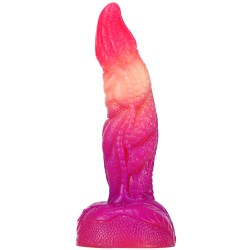
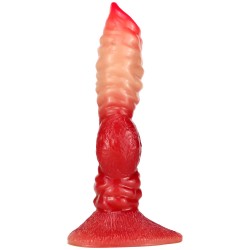
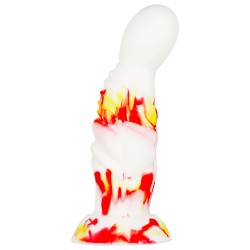
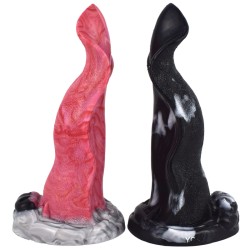
Hey there! Let’s have a real, "no-blushing-allowed" conversation today. If you’ve ever browsed an online adult...


How to Make Your Own Sex Toy – A Friendly DIY Guide
(Written in first‑person, because I love sharing the little tricks that make my bedroom a playground of creativity.)
Why DIY Sex Toys?
When I first started exploring my own pleasure, I quickly discovered two things:
Customization matters. Off‑the‑shelf toys are great, but they’re designed for a general audience. My body (and my partner’s) has its own quirks, sensitivities, and favorite angles. Budget is real. High‑quality silicone toys can cost as much as a dinner for two. A well‑made DIY project can give you the same (or even better) experience for a fraction of the price.
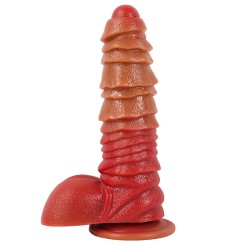
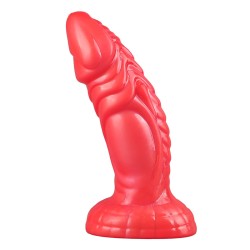
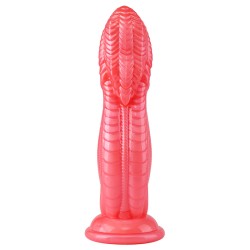
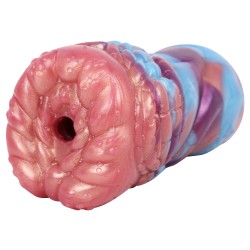
That doesn’t mean you have to become a full‑blown engineer. With a few everyday items, a dash of creativity, and Liquid Silica Gel Alien Dildo - 11 a solid focus on safety, you can craft a toy that feels just right for you.
"The best DIY projects are the ones that make you smile every time you use them." – Sophie, intimacy coach
Below you’ll find a step‑by‑step guide, material comparisons, troubleshooting tips, and a FAQ to keep you confident from start to finish.
- Safety First: The Golden Rules
Use body‑safe materials Only silicone, medical‑grade stainless steel, glass, or Hammer Double Head Vibrator high‑density ABS Large Plastic Syringe. I Hammer Double Head Vibrator‑check the product label or datasheet before buying. Avoid porous surfaces Porous materials (like wood, foam, or low‑grade rubber) can harbor bacteria. I sand and seal wood, but usually I just opt for silicone. Never use toxic adhesives Some glues release harmful chemicals when heated. I stick to food‑grade silicone sealant or a two‑part epoxy rated for skin contact. Keep it clean Toys need thorough cleaning before and Anal Beads - 10 Balls after every use. I wash my DIY vibrator with mild soap and warm water, then sterilize with a 70 % isopropyl solution (if silicone permits). Test for allergies Everyone’s skin reacts differently. I do a 24‑hour patch test on my forearm before the first use.
"If you’re ever in doubt, toss it out. No pleasure is worth a health risk." – Dr. Maya Patel, sexual health specialist
- Choosing the Right Toy Type
Toy Type Ideal Materials Approx. Cost Skill Level Vibrator Silicone or ABS plastic $5–$15 (raw materials) Low Anal Plug Body‑safe silicone or stainless steel $8–$20 Medium Cock Ring Silicone, silicone‑coated metal, or leather (sealed) $4–$12 Low
I’ll walk you through the simplest: a silicone vibrator.
- Materials & Tools You’ll Need
Medical‑grade silicone (100 % platinum‑cured) Soft, non‑porous, stretchy – perfect for a body‑safe surface. Online craft stores, Etsy, or specialty silicone suppliers. Silicone molding kit (optional) Gives you a smooth, uniform shape without hand‑carving. Amazon, hobby stores. Small vibration motor (10 mm, 3 V) The "buzz" component. Look for waterproof, low‑noise units. E‑bay, AliExpress, electronics hobby shops. Coin cell battery (CR2032) & holder Power source; lightweight and easy to replace. Any electronics retailer. Silicone sealant (food‑grade) Secures motor and creates a waterproof seal. Home improvement aisle. Fine‑grade sandpaper (400–800 grit) Smooths any rough edges after curing. DIY store. Heat gun or Tread Ultimate Tire Cock Ring oven (optional) Cures silicone faster if you’re using a mold. Kitchen appliance. Safety goggles & gloves Protects skin and eyes during mixing. Any hardware store.
Tip: If you’re on a tight budget, you can repurpose a silicone phone case as a base. Just cut it to shape and embed the motor.
- Step‑by‑Step: Making a Simple Silicone Vibrator
Step 1 – Sketch Your Design Draw a quick silhouette (I usually go for a 6 cm long, 2 cm thick "egg" shape). Mark where the motor will sit (centered, about 1 cm from the tip). Note the battery compartment (a small pocket on the base). Step 2 – Prepare the Silicone Measure 1 part silicone base to 0.1 part catalyst (follow the kit’s instructions). Mix thoroughly in a disposable cup—no air bubbles! I tap the cup on the counter to bring bubbles to the surface. Step 3 – Create the Mold (if you have a kit) Pour a thin layer of silicone into a shallow tray; this becomes the "negative" of your shape. Press a small, smooth object (like a silicone kitchen spatula) into the wet silicone to create a cavity for the motor. Let cure per manufacturer’s time (usually 30 minutes).
If you don’t have a mold, you can hand‑shape the silicone directly on a clean, non‑stick surface.
Step 4 – Embed the Motor Place the motor inside the cavity, ensuring the wires are oriented toward the base. Seal around the motor with a thin line of silicone sealant to prevent water ingress. Step 5 – Add the Battery Pocket Cut a tiny slit at the base (about 4 mm wide). Insert the battery holder, then seal around it with more silicone. Step 6 – Cure the Toy Leave the whole assembly to cure for 2–4 hours (or overnight for best results). Optional: Use a heat gun on low setting to speed up the process, but stay below 60 °C to avoid degrading silicone. Step 7 – Finish & Polish Remove the toy from the mold or surface. Sand any rough edges with 400‑grit sandpaper, then finish with 800‑grit for a silky feel. Wipe with a damp cloth to remove dust. Step 8 – Test & Play Insert a fresh CR2032 battery. Turn the motor on—if it hums gently, you’re good to go! Clean with warm, mild soap, rinse, and store in a dry, airtight container.
"Never underestimate the satisfaction of turning a simple motor into a personal pleasure device." – Me, after my first successful build
- Troubleshooting & Pro Tips
Motor won’t run Battery not making contact Clean the contacts with a cotton swab; ensure the holder is snug. Leaking water Sealant didn’t cure properly Re‑apply a thin layer of food‑grade silicone over seams; let cure fully. Too stiff Too much silicone or wrong cure temperature Use a higher silicone-to‑catalyst ratio next time (e.g., 1.1 : 0.1) for more flexibility. Unpleasant odor Low‑grade silicone Switch to 100 % platinum‑cured medical silicone. Rough surface Insufficient sanding Progress to finer grit (up to 1200) and finish with a silicone‑based polish.
Pro tip: Add a tiny amount of natural silicone oil (compatible with your silicone) before curing to give the final product a silkier feel.
- FAQ
A: Yes. In most jurisdictions, creating personal-use adult products is perfectly legal. The key is not to sell them without meeting safety regulations and labeling requirements.
Q2: Can I use regular household glue? A: Avoid. Most household glues contain solvents that can irritate delicate tissue. Stick to silicone sealant or an epoxy explicitly labeled as "skin‑safe."
Q3: How long will my DIY toy last? A: Properly cured platinum‑cured silicone can last years if you keep it clean, Bang Bang G-spot Vibrating Finger Glove dry, and store it away from direct sunlight or extreme heat.
Q4: What if I’m allergic to silicone? A: While rare, silicone allergies exist. If you notice itching, redness, or swelling after a short trial, discontinue use and consider alternative materials like stainless steel.
Q5: Do I need a professional to test my toy’s safety? A: For personal use, thorough cleaning, material verification, and a patch test are sufficient. Commercial manufacturers undergo laboratory testing, but DIY creators rely on known‑safe materials and personal diligence.
Q6: Can I make a waterproof toy? A: Absolutely—just ensure every electronic component (motor, battery holder) is fully sealed with silicone and avoid any gaps. Test by submerging the toy in water for 30 seconds before use.
- Final Thoughts
Remember:
Safety always wins. Start simple and upgrade as you get comfortable. Enjoy the process—the anticipation often heightens the final experience.
If you try this out, I’d love to hear how your creation turned out. Share your photos (or at least a description) in the comments, and Fetters Front Buckle Dildo Gag let’s keep the conversation flowing. Happy building, and even happier playing!
Disclaimer: This article is intended for educational purposes only. Always prioritize hygiene, consent, and personal safety when exploring sexual wellness.

Posted in:
Reviews
Related products