
If you grew up in the late 70s, or if you simply discovered the raw, abrasive energy of punk rock later in life,...


Sharing is Caring, But Let's Be Smart: Can HIV Be Spread Through Sex Toys?
Hey everyone, welcome back to the blog! Today, we're tackling a topic that might feel a little awkward, but it's incredibly important for our sexual health and Five Ball Inflatable Anal Beads well-being: can HIV be spread through sex toys? At first glance, the idea might seem a bit unsettling, but understanding how it works, and more importantly, how to prevent it, is key to enjoying intimacy safely. So, let's dive in and get informed, together.
The Nitty-Gritty: How Does HIV Spread?
Before we get to sex toys specifically, it's crucial to get a solid grasp on how HIV (Human Immunodeficiency Virus) is transmitted. HIV is a virus that attacks the body's immune system. It's primarily found in certain bodily fluids:
Blood: This is a major route of transmission. Semen (including pre-seminal fluid): This is why unprotected sexual contact is a significant transmission pathway. Rectal fluids: These can also contain the virus. Vaginal fluids: Similar to semen and rectal fluids, these can be a source of transmission. Breast milk: This is how HIV can be transmitted from a mother to her child.
Crucially, HIV is NOT spread through:
Hugging, kissing, or shaking hands. Sharing utensils or toilets. Mosquito bites. Casual contact in the workplace or at school.
This distinction is vital because it helps us understand what activities pose a risk and which ones don't.
Sex Toys and the HIV Connection: A Closer Look
Now, let's bring sex toys into the picture. Can these often-loved companions be conduits for HIV transmission? The answer is, yes, it is possible, but the risk is generally considered low, especially when proper precautions are taken.
Think about it this way: sex toys come into contact Satin Rose Heart Nipple Pasties With Tassel bodily fluids. If a sex toy has come into contact with HIV-infected bodily fluids from one person, and then it's used by another person without proper cleaning, there's a potential for the virus to be transferred. This is particularly true if there are any micro-tears or open sores on the skin or mucous membranes.
Here's a breakdown of how the risk can arise:
Shared Use Without Cleaning: This is the most significant risk factor. If you and a partner share a sex toy without thoroughly cleaning it between uses and between partners, bodily fluids can be directly transferred. Porous Materials: Some sex toys, especially those made from porous materials like jelly rubber or TPR (thermoplastic rubber), can harbor bacteria and viruses, making them harder to sanitize completely. Non-porous materials like silicone, glass, or stainless steel are generally easier to clean and Clit & P spot Stimulation Silicone Vibrator therefore lower risk. Accompanying Sores or Wounds: If there are any cuts, abrasions, or open sores on the genitals, anus, or any other area where the toy is used, the risk of HIV transmission through bodily fluids on the toy increases.
Dr. Anya Sharma, a leading infectious disease specialist, states, "While the headlines might sometimes sensationalize the risk, it's important to understand the science. HIV is delicate and doesn't survive long outside the body. However, if a toy is directly contaminated with infectious bodily fluids and then comes into contact with mucosal membranes or broken skin of another person, transmission is a theoretical possibility. The key is diligent hygiene and choosing appropriate materials."
Understanding the Risk Factors in Detail
Let's delve a little deeper into when the risk is higher and when it's pretty negligible.
Risk Factor Likelihood of HIV Transmission via Sex Toys Explanation Sharing Uncleaned Toys Moderate to High This is the primary concern. If a toy is used by someone with HIV and then immediately by someone else without cleaning, and there is contact with bodily fluids (semen, vaginal fluids, rectal fluids) and potential for micro-tears, the risk is present. The higher the viral load of the person with HIV, the higher the potential for Liquid Silica Gel Butt Plug - 07 transmission. Using Porous Material Toys Moderate Toys made of materials that absorb fluids (like jelly or TPR) can be harder to fully sanitize. Even after washing, microscopic pores can retain traces of bodily fluids and viruses. Non-porous materials are much safer. Presence of Sores/Wounds Moderate to High If either person has open sores or cuts on their genitals, anus, or any area where the toy is used, the risk of HIV entering the bloodstream increases. This is especially relevant if the toy is shared without proper cleaning. Proper Cleaning & Sanitization Very Low When toys are thoroughly cleaned between uses and between partners according to manufacturer instructions, the risk of transmission is significantly reduced. Using appropriate cleaning agents is key. Using Non-Porous Toys Very Low Toys made of glass, stainless steel, or body-safe silicone are incredibly easy to clean and sanitize, making them the lowest risk option for shared use, provided they are cleaned properly.
Essentially, the risk is amplified when a toy is used by multiple partners without thorough cleaning, especially if it's made of porous material or if there are any breaks in the skin.
Prevention is Key: How to Stay Safe
The good news is that preventing HIV transmission through sex toys is straightforward and boils down to a few key practices.
Clean Your Toys Thoroughly: This is the absolute golden rule.
Between Uses: Always clean your toys after each use, and before passing them to a partner. Between Partners: If you're sharing toys with multiple people, clean them meticulously between each person. Cleaning Methods: For non-porous toys (silicone, glass, stainless steel), warm water and soap are usually sufficient. Some manufacturers recommend specific toy cleaners or a diluted bleach solution for thorough disinfection (follow instructions carefully!). Porous toys are trickier. Many experts recommend that porous toys not be shared at all due to the difficulty in sanitizing them. If you do use porous toys, ensure they are exclusively for personal use or are disposed of after use by someone else without cleaning.
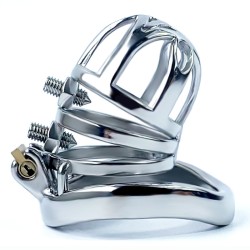
Choose Your Toys Wisely: Opt for non-porous materials. Look for toys made of medical-grade silicone, glass, or stainless steel. These are less likely to harbor pathogens and are much easier to clean effectively.
Avoid Sharing Porous Toys: As mentioned, toys made from jelly, TPR, or similar materials are best kept for individual use. If you have a porous toy and are considering sharing it, it's safer to dispose of it or dedicate it to a single user.
Inspect for Damage: Stand to Attention Over the Door Restraint Set Before using a toy, especially if it's been stored or shared, Hand Held Vacuum and Pressure Pump check it for any cracks, tears, or damage. Damaged toys can harbor bacteria and Color Thread Neck Collar viruses and are more difficult to clean.
Consider Condoms for Toys: For added peace of mind, especially when sharing toys or if you're unsure about cleaning protocols, you can use a condom on the toy itself. This creates an additional barrier. When you're done, simply remove the condom and Razer Electric Shock Vibrator dispose of it.
Practice Safe Sex Overall: While this post focuses on toys, remember that sex toys are often part of a broader sexual experience. Continue to practice safe sex with your partners, including regular HIV testing and using condoms for penetrative sex.
A helpful tip from a sex-positive educator, Chloe, shared online: "Think of your sex toys like your toothbrushes. You wouldn't share your toothbrush with someone else, right? Even if you rinse it! It's the same principle – they're personal items that need to be kept clean for your own health and your partner's health."
So, Should I Be Worried?
In short, if you're practicing good hygiene, choosing non-porous toys, and cleaning them properly between uses and partners, the risk of HIV transmission through sex toys is very low. The key is awareness and Yuko Pocket Pussy responsible behavior.
It's more about being mindful of how things come into contact with bodily fluids and taking simple steps to mitigate any potential risks. By educating ourselves and adopting safe practices, we can continue to explore our sexuality and enjoy intimacy without unnecessary worry.
Frequently Asked Questions About Sex Toys and HIV
Let's clear up some common questions:
Q1: Can HIV survive on a sex toy for a Long Tail Silicone Butt Plug With Scale time? A1: HIV doesn't survive for long outside the body. It's quite fragile and dies when exposed to air and becomes dry. However, within bodily fluids in a moist environment (like on a shared toy that hasn't been cleaned), it can potentially remain viable for a period. This is why immediate cleaning after use is so important.
Q2: What's the best way to clean a sex toy for maximum safety? A2: For non-porous toys, warm water and mild soap are usually sufficient. For a deeper clean, toy-specific cleaners or a diluted bleach solution (e.g., 1 part bleach to 9 parts water – check manufacturer instructions!) can be used, followed by thorough rinsing. Always ensure toys are completely dry before storing.
Q3: I have HIV. Can I still use sex toys with a partner? A3: Yes! Absolutely. The most important thing is to be open with your partner about your status. If you are on an effective HIV treatment regimen and have an undetectable viral load, the risk of sexual transmission is virtually zero (this is known as U=U, Undetectable = Untransmittable). Even if your viral load is not undetectable, diligent cleaning of toys, using condoms on toys, and open communication can significantly reduce risk.
Q4: What if my toy gets cracks? Should I throw it away? A4: Yes, Special Designed Halter Back Hollow Out Babydoll if a toy develops cracks or tears, it's best to discard it. These areas make cleaning extremely difficult and can harbor bacteria and viruses, increasing the risk of infection and injury.
Q5: Is it safe to use lube with sex toys? A5: Yes, lubricants are generally safe and Lady Mesh Push Up Seamless Bra Set Sexy Bikini recommended for comfortable and safe sex toy use. Just ensure the lube is compatible with your toy material (e.g., silicone-based lubricants can degrade silicone toys, so water-based lubes are generally the safest bet for most materials).
The Takeaway
Our sex toys can be wonderful tools for pleasure and exploration. By understanding the potential risks, no matter how small, and taking simple, effective precautions, we can ensure they remain safe companions in our sexual journeys. Prioritizing hygiene, choosing the right materials, and open communication are your best friends when it comes to sexual health.
Stay informed, stay safe, and keep the conversations about sexual health going! If you have any further questions or concerns, don't hesitate to reach out to a healthcare provider.
Until next time, [Your Name/Blog Name]
Posted in:
Reviews