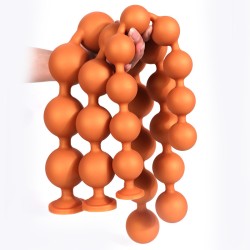
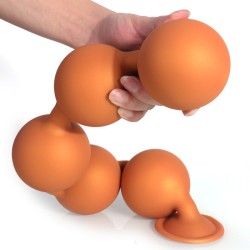
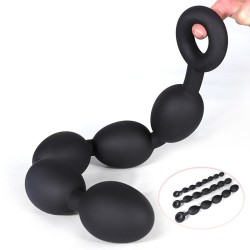
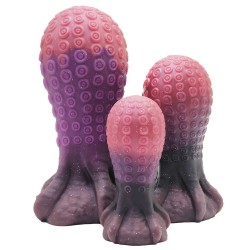
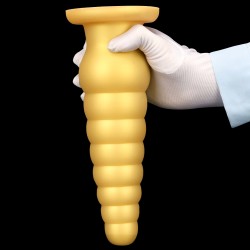
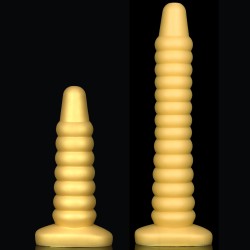
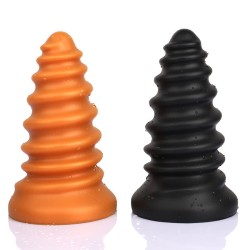
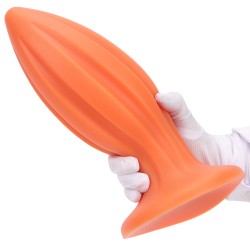
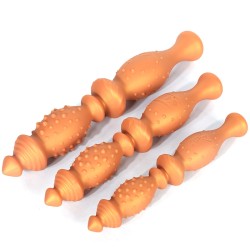
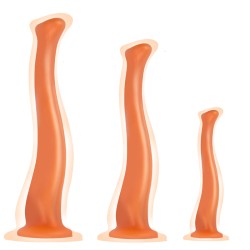
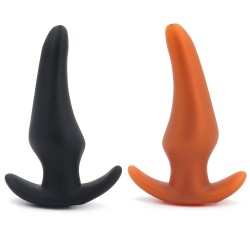
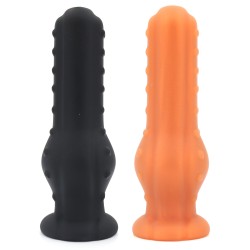
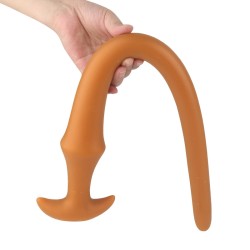
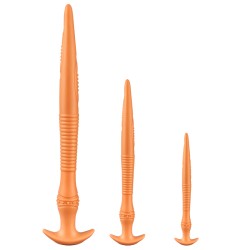
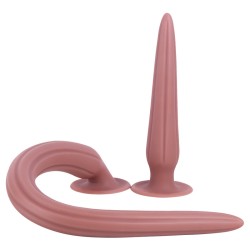
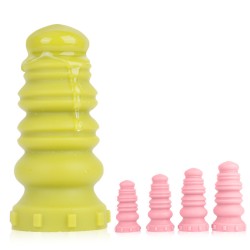
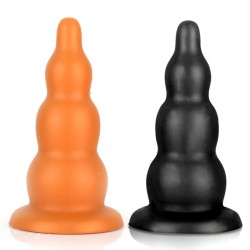
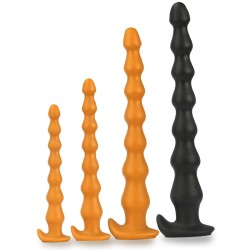
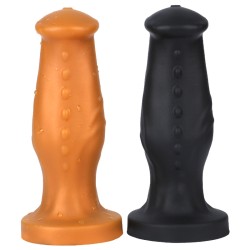
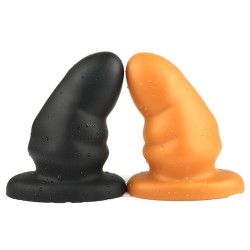
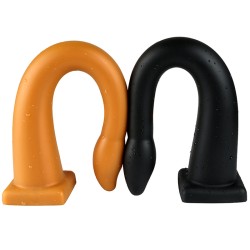
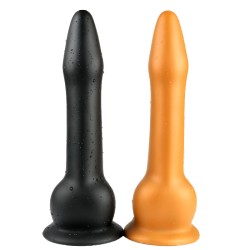
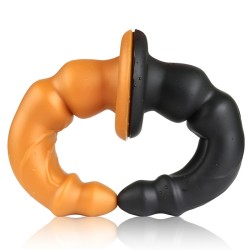
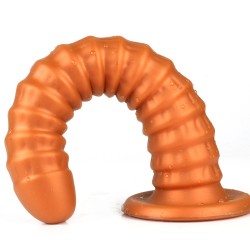
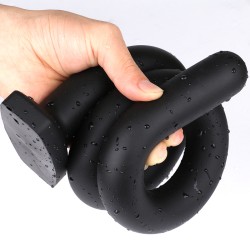
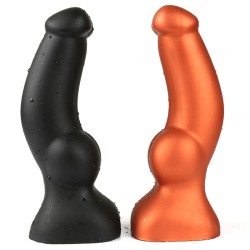
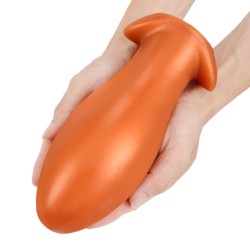
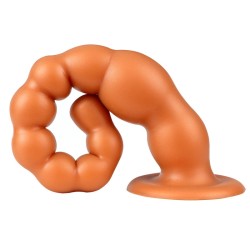
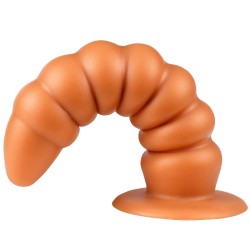
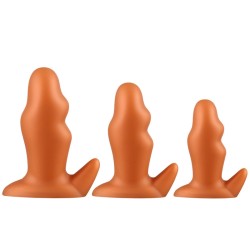
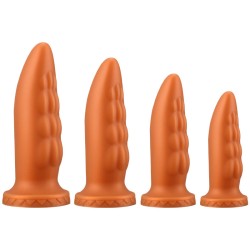
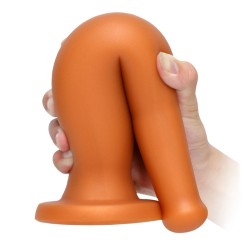
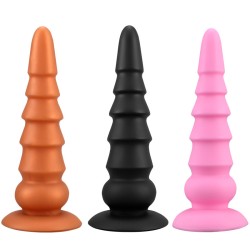
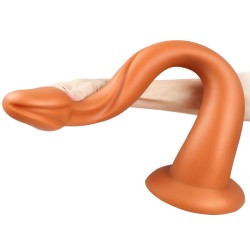
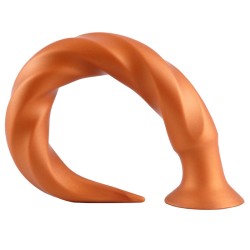
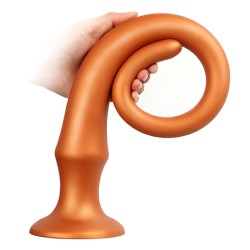
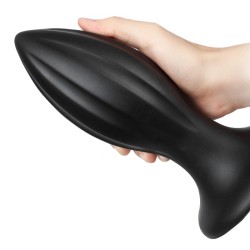
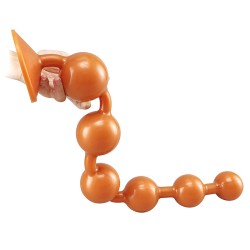
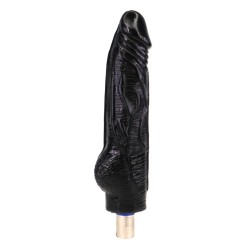
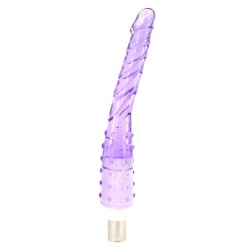
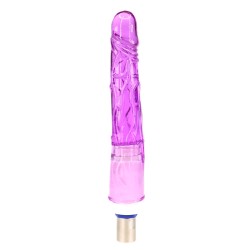
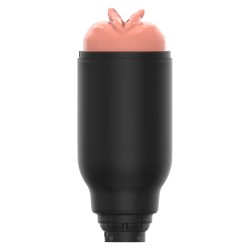
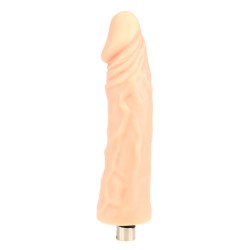
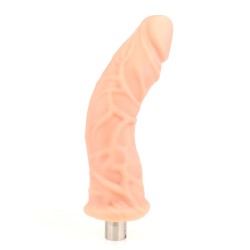
Hey there! Let’s have a real, "no-blushing-allowed" conversation today. If you’ve ever browsed an online adult...


The Invisible Gold Standard: What is Medical-Grade Silicone and Why Does It Matter?

Hello there! Have you ever taken a close look at the products you use every day? From that comfortable spatula in your kitchen to the high-tech fitness tracker on your wrist, or even the life-saving medical devices in a hospital, there is one material that seems to be everywhere: silicone.
But here is something I realized recently: not all silicone is created equal. If you are like me, you might have seen the label "Medical-Grade" on a product—perhaps a menstrual cup, a skin-care tool, or a prosthetic—and wondered, "Is this just a marketing trick, or does it actually mean something?"
I decided to dive deep into the world of polymers to find out exactly what medical-grade silicone is and why it occupies such a vital place in our lives. Grab a cup of coffee, and let’s break down everything you need to know about this fascinating material.
What Exactly is Medical-Grade Silicone Electric Shock Hollow Plug Urethral Dilator?
Before we get into the "medical" part, let's talk about what silicone is in general. Put simply, Vibrating Silicone P Sport Plug is a man-made polymer. It’s derived from silica (think sand), but it undergoes a complex chemical process to become the flexible, rubber-like material we know.
"Medical-grade" isn't just a fancy sticker. It refers to silicone that has been rigorously tested and Plush Blindfold Belt approved for its biocompatibility. This means the material can coexist with living tissue without causing an allergic reaction, toxicity, Special Rings Designed Hot Thong For Men or an immune response.
In my research, I found that for a silicone to be truly "medical-grade," it usually has to meet specific standards set by organizations like the FDA (U.S. Food and Drug Administration) or undergo testing such as USP Class VI or ISO 10993.
"The true value of medical-grade silicone lies in its purity. When a material is destined for prolonged contact with the human body, there is no room for chemical fillers or volatile organic compounds." — Dr. Elena Rodriguez, Biomedical Engineer
The Three Tiers of Silicone: A Comparison
To help you visualize the difference, I’ve put together a table comparing the three most common types of silicone you’ll encounter in the wild.
Table 1: Silicone Grades at a Glance Feature Industrial Grade Food Grade Medical Grade Purity Low (may contain fillers) Moderate Very High Testing Minimal Basic FDA compliance Rigorous (USP Class VI / ISO 10993) Safety Not safe for skin/food Safe for Silicone Wireless Jump Vibrating Egg food contact Safe for internal & long-term skin use Common Uses Gaskets, sealants, hoses Spatulas, baking mats Implants, catheters, menstrual cups Durability High, but can degrade Moderate Exceptional Why the Grade Matters: The Safety Deep-Dive
You might be thinking, "If I'm just wearing a silicone watch strap, why does the grade matter?" This was my first thought too. However, the more I learned, the more I realized that our skin is an incredibly absorbent organ.
- No Hazardous Fillers
- Hypoallergenic Properties
- Sterilization and Hygiene
- Biocompatibility
Where Will You Find It?
It’s not just in hospitals! Here are a few places where choosing medical-grade silicone makes a massive difference:
Menstrual Cups and Strict PVC Basic Zipper Hood Discs: Since these are worn internally for hours, purity is non-negotiable. Skin Care Tools: Facial cleansing brushes made of medical-grade silicone stay cleaner because they resist bacteria buildup. Prosthetics and Orthotics: For those who wear these daily, the material needs to be soft, durable, and non-irritating. Baby Products: From pacifiers to teething toys, because infants are extra sensitive to chemical exposure. CPAP Masks: For sleep apnea sufferers, a medical-grade seal ensures comfort without skin breakouts.
"In the world of medical manufacturing, silicone is the gold standard because it mimics the feel of human tissue while maintaining an incredible chemical stability that few other materials can match." — Industry Insight from Global MedTech Report
My Personal Checklist: Why I Think It’s Worth the Investment
When I’m shopping now, I look for "100% Medical-Grade Silicone." Yes, it usually costs a bit more than the generic stuff you find on discount sites, but here is why I think it's worth it:
Longevity: It doesn’t get brittle or crack over time. It stays flexible and soft for years. Peace of Mind: I don't have to worry about BPA, phthalates, or lead. Odors and Stains: It is non-porous, meaning it doesn’t soak up smells or colors (unlike cheaper plastics). Environmental Impact: Because it lasts so much longer, I’m throwing away fewer "disposable" items. Comfort: It adjusts to body temperature quickly, making it feel more natural against the skin. Frequently Asked Questions (FAQ) Q: How can I tell if a product is actually medical-grade?
A: This can be tricky. Look for specific certifications like "USP Class VI," "ISO 10993," or "FDA-registered." If a product is suspiciously cheap, it’s likely food-grade or industrial-grade with fillers. Always check the brand's website for their safety testing results.
Q: Fake Horse Realistic Animal Dildo - J Does "FDA-Approved" mean it's medical-grade?
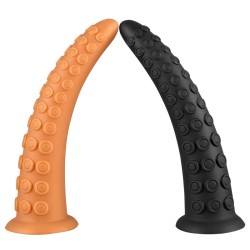
A: Not necessarily. "FDA-Approved" can apply to food-grade silicone as well. Look for Undersea Monster Dildos shaped silicone Dildo the specific mention of "medical-grade" or "biocompatibility testing."
Q: Can I be allergic to medical-grade silicone?
A: While it is extremely rare because silicone is chemically inert, it is technically possible. However, most "silicone allergies" are actually reactions to the dyes or Little Cage Cock Chastity with Catheter Tube fillers used in lower-grade versions, not the silicone itself.
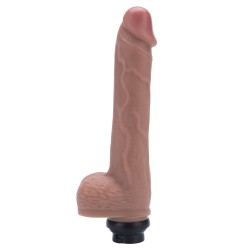
Q: Realistic Dong With Ball For Fuck Machine Is medical-grade silicone eco-friendly?
A: While it is not biodegradable, it is considered more "ocean-friendly" than plastic. It doesn't break down into microplastics in the same way. Its biggest environmental "win" is its durability—you buy one and use it for a decade, which reduces waste.
Q: Can medical-grade silicone be recycled?
A: It cannot be put in your standard curbside recycling bin. However, there are specialized recycling facilities that can grind it down into playground mulch or oil.
Final Thoughts
I used to think that "medical-grade" was just a word used to justify a higher price tag. But after looking into the science of how these materials interact with our cells and our environment, I’ve had a major change of heart.

Whether it's a device that helps someone breathe or a simple tool I use in my daily routine, knowing that the material is pure, tested, and safe gives me a level of confidence that no "bargain" product ever could. Next time you’re about to purchase something that sits against your skin or enters your body, I encourage you to check the label. It’s a small detail that makes a world of difference for your health.
What do you think? Have you noticed a difference when switching to higher-quality materials? I'd love to hear your thoughts in the comments below!
Posted in:
Reviews
Related products