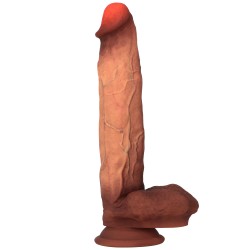
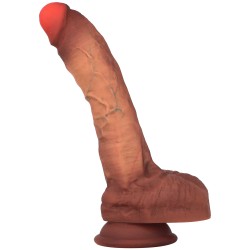
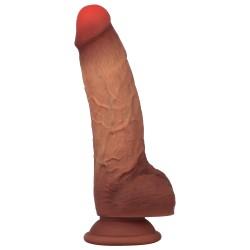
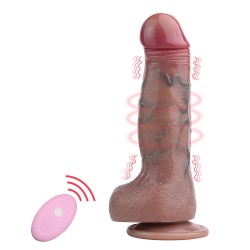
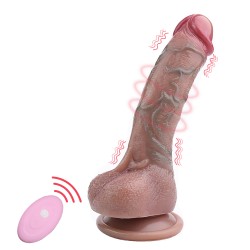
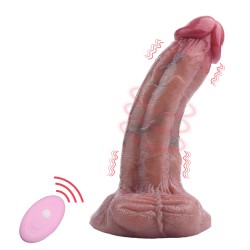
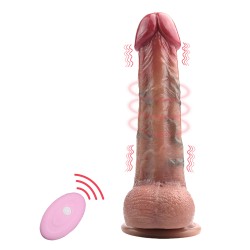
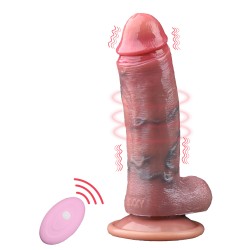
Hey there! Let’s have a real, "no-blushing-allowed" conversation today. If you’ve ever browsed an online adult...


What is a suction or air pulse toy and how does it feel compared to regular vibrators
Rumbly vs. Buzzy Vibrations – What’s the Difference and Which One Wins?
By Irene "Tech‑Vibe" Patel First‑person, friendly‑tone, March 2026
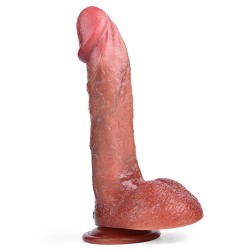
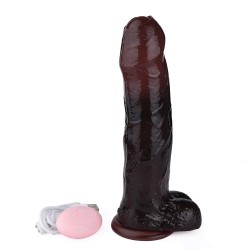
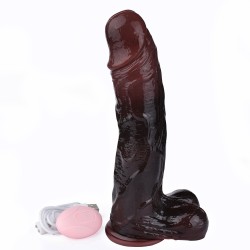
When I first discovered the world of haptic feedback, I thought "vibration" was a single, monolithic thing—just a little motor that makes your phone buzz. Fast‑forward a few years of tinkering with game controllers, smart‑watch straps, and Big Black Dildo With Realistic Veins even a DIY massage gun, and I’ve learned there are at least two distinct flavors of vibration that engineers (and SM517 Criss Cross Revited Waist Leg Harness Strap my muscles) care about: rumbly and buzzy.
Both can be delightful, annoying, Women's Leather Sexy Lingerie With Iron Chain or downright therapeutic, depending on the context. In this post I’ll unpack the science, walk through real‑world examples, and help you decide which vibration style is "better" for your next project—or your next self‑care session.
- The Anatomy of a Vibration
Parameter What It Is How It Affects Perception Frequency Number of oscillations per second (Hz) Low frequencies feel "deep"; high frequencies feel "sharp". Amplitude Distance of each oscillation (mm) Larger amplitude = stronger, Alien Wolf Phallus - 30 more "pressing" feel. Waveform Shape of the oscillation (sine, square, etc.) Determines the smoothness vs. "clickiness" of the feel. Duration How long the vibration lasts Short bursts feel like taps; long runs feel like a hum.
With that toolbox in mind, we can now define the two families.
- Rumbly Vibrations – The Low‑End Groove
Typical Sources Eccentric Rotating Mass (ERM) motors – the classic "coin‑type" motor you’ll find in smartphones. Linear Resonant Actuators (LRAs) tuned low – often used in gaming controllers for immersive feedback. Mechanical shakers – large‑scale devices used in product testing. How It Feels
"When I hold a gaming controller that uses a rumbly pulse, I literally feel the weight of the impact, as if something heavy just hit the screen." – Alex Martinez, Haptics Engineer, GameTech Labs
Deep, Mini Magic Wand Massager Vibrator spreading: The vibration travels through the skin, muscles, and even bone, Bobby Adjustable Ejaculation Trainer creating a "full‑body" sensation. Smooth and continuous: Because the waveform is often sinusoidal, the motion feels more like a roll than a tick. Can be soothing or overwhelming: Low‑frequency rumble is great for relaxation (think of a massage) but can feel intrusive if it’s too strong in a tiny device. Pros & Cons (Rumbly) Pros Cons Excellent for simulating impact (explosions, crashes) Consumes more power due to larger amplitude Feels natural to the human body (low frequencies travel well) Can be noisy (mechanical whine) Works well on larger surfaces (watch straps, steering wheels) Less precise for fine‑grained feedback
- Buzzy Vibrations – The High‑Frequency Tingling
Typical Sources Piezoelectric buzzers – tiny ceramic discs that vibrate at very high frequencies. High‑frequency LRAs – often used in wearables for subtle alerts. Haptic "haptics" – arrays of micro‑actuators that can produce patterned buzzes. How It Feels
"The buzz on my smartwatch feels like a gentle tap on the skin, barely enough to interrupt a thought without waking me fully." – Dr. Maya Singh, Neuro‑Physiologist, University of Toronto
Sharp and localized: Because the wave doesn’t travel far, you feel it right where the actuator contacts the skin. Tactile "tick": The waveform often resembles a square wave, giving a crisp, percussive feel. Highly controllable: You can modulate intensity by adjusting pulse width or duty cycle, making it perfect for notifications. Pros & Cons (Buzzy) Pros Cons Low power consumption – tiny amplitudes need little energy Can feel annoying if over‑used (think endless phone buzzes) Precise – great for patterned feedback (e.g., Morse‑code style alerts) Limited depth – not suitable for simulating heavy impacts Quiet – usually no audible hum May be less perceptible on thicker materials (e.g., gloves)
- Head‑to‑Head Comparison
Feature Rumbly Buzzy Frequency range 20 – 150 Hz 150 – 400 Hz+ Typical amplitude 0.5 – 2 mm 0.05 – 0.3 mm Best for Simulating impacts, massage, immersive gaming Alerts, subtle cues, UI navigation Power draw 150 – 500 mA (depends on motor) 20 – 80 mA Noise level Audible hum (30‑50 dB) Almost silent Hardware ERM, low‑freq LRA, shaker Piezo buzzer, high‑freq LRA User comfort Can be relaxing or fatiguing Generally comfortable, may be "twitchy" Design constraints Requires space for motor & mounting Can be ultra‑thin, even on flexible PCBs
- Which Is "Better"? – The Right Tool for the Job
Application Goal – Are you trying to alert someone, immerse them in a game, or relax them with a massage? Form Factor – Does your device have room for a bulky ERM motor, or does it need a flat, thin actuator? Power Budget – Battery‑operated wearables can’t afford a 500 mA rumble every few seconds. Decision Checklist (My Go‑To List) ✅ Need a deep, physical cue? → Choose rumbly. ✅ Device is thin, needs subtle feedback? → Choose buzzy. ✅ Battery life is premium? → Lean buzzy. ✅ User will wear it for hours (e.g., a smartwatch)? → Buzzy for alerts, rumbly for occasional "relax‑mode" vibrations. ✅ You’re designing a game controller or VR glove? → Mix both—buzzy for UI clicks, rumbly for explosions.
- Real‑World Examples That Illustrate the Difference
Apple Watch Series 9 Primarily buzzy (piezo) Subtle tap for notifications, calendar alerts, and haptic "Taptic Engine" cues. Sony PlayStation 5 DualSense Both (low‑freq LRA + high‑freq piezo) Rumbly for gunfire & explosions; buzzy for UI navigation and adaptive triggers. Theragun Pro Massage Gun Heavy rumbly (high‑amp linear actuator) Deep muscle stimulation that mimics a professional massage. Meta Quest 3 Controllers Buzzy (high‑freq haptic) Precise tactile feedback for UI selections, Dandy 3.1 KG Birdlocked Pico MCD Male Chastity - Clear Body Dildo with occasional rumble for environmental effects.
These examples show that the most compelling experiences often blend the two vibration families.
- DIY Tip: Building a Hybrid Haptic Module
Pick the actuators – A 3 V ERM motor Ladies See-through Lace-up Mesh Splicing Night Babydoll (e.g., Vibration Motor 10 mm) for rumble + a 3 V piezo buzzer for buzz. Mount on a thin PCB – Use a two‑layer board; solder the ERM on the top side (it needs space) and Vibration Animal Kont Silicone Dildo - 10 the piezo on the bottom. Control Whip With Metal Butt Plug a microcontroller – An ATTiny85 is enough; use PWM for the ERM (variable duty) and a simple digital pin toggle for the buzzer. Add a driver chip – A DRV2605 can drive both types with custom waveform libraries. Program patterns – Write a short sketch that alternates rumble (150 ms) → buzz (50 ms) → pause (200 ms) for a "game hit" effect.
Result: A compact module that feels like a tiny "impact‑plus‑alert" system—perfect for indie game prototypes or experimental wearables.
- Frequently Asked Questions (FAQ)
Yes. Low‑frequency vibrations travel well through fabric, especially stretchy materials like sports‑wear. High‑frequency buzzes can be dampened by thick layers, so you may need to raise the amplitude or place the actuator near the skin.
Q2: Are rumbly vibrations safe for long‑term use? Generally, yes. The amplitudes are low enough not to cause tissue damage. However, prolonged high‑intensity rumble (e.g., daily 2‑hour massage sessions) could lead to fatigue. Always follow manufacturer guidelines.
Q3: Why do some people find buzzes "annoying" while others love them? It’s partly physiological: high‑frequency stimuli trigger the Meissner and Pacinian corpuscles, which are sensitive and can produce a startle response. Personal tolerance varies, and context matters—subtle buzzes in a quiet setting feel more intrusive.
Q4: Which vibration type uses less power in a smartphone? Buzzy. Piezo buzzers draw < 30 mA, while ERM motors can exceed 200 mA during start‑up. That’s why most phones use buzzes for notifications and reserve rumble for haptic "feedback" (e.g., keyboard taps).
Q5: Can I convert a rumbly motor into a buzzy one by changing PWM frequency? Not effectively. ERM motors are limited by their mechanical inertia; they can’t produce true high‑frequency buzzes. To achieve a buzzy feel, you need an actuator designed for high‑frequency operation (piezo or high‑freq LRA).
- TL;DR – My Takeaway
Buzzy = high‑freq, low‑amp, "sharp" – perfect for alerts, UI cues, and thin devices. Better? It depends on what you’re trying to achieve. Mix them for a richer user experience, or pick the one that aligns with your device’s size, power budget, and user expectations.

Next time you feel a subtle tap on your wrist or a thump in your gaming controller, you’ll know exactly which side of the haptic spectrum you’re on—and you’ll be able to choose the perfect vibration for Alvin Glans Rotation Rabbit Vibrator the moment.
Happy vibing! If you’ve built your own hybrid module or have a favorite rumbly/buzzy product, drop a comment below. I love swapping stories and schematics with fellow haptic enthusiasts.
Posted in:
Reviews
Related products